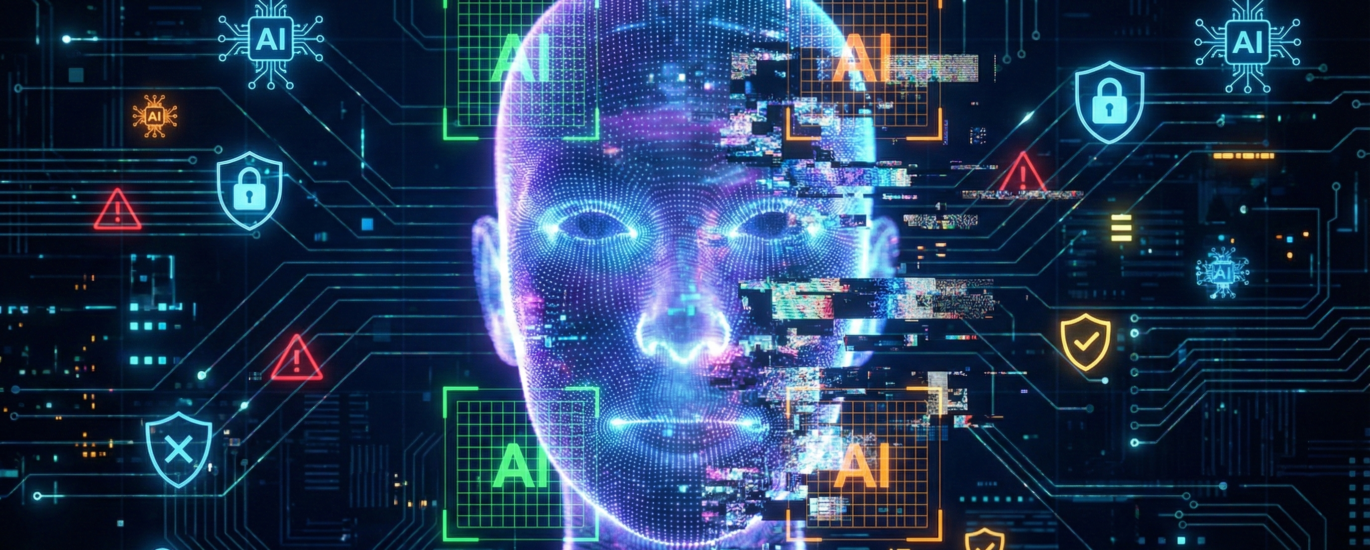
Deepfake technology has evolved from a niche concern to a mainstream cybersecurity threat in 2026. With AI-generated videos and audio now indistinguishable from reality, businesses across India face unprecedented risks from CEO fraud to reputation damage. Recent reports indicate deepfake incidents increased by 900% since 2023. Understanding how to beat deepfakes in 2026 is essential for survival in the digital age, whether you’re an IT professional in Bhubaneswar or a business owner in Mumbai.
What Are Deepfakes?
Deepfakes are synthetic media created using artificial intelligence where a person’s face, voice, or body is digitally manipulated to make it appear they said or did something they never actually did. The term combines “deep learning” (AI technology) with “fake.”
How deepfakes work:
- Deep neural networks analyze thousands of images/videos of a target person
- GANs (Generative Adversarial Networks) create increasingly realistic fakes through AI competition
- Face-swapping technology maps facial expressions onto another person’s face
- Voice cloning replicates speech patterns to generate synthetic audio
Common deepfake types:
- Video face replacements in existing footage
- Audio deepfakes cloning voices
- Real-time manipulation during video calls
- Entirely synthetic videos from text descriptions
The danger? Creation tools are now widely accessible, requiring just a few photos and basic skills, while detection remains challenging even for experts. Learning to beat deepfakes in 2026 starts with understanding these fundamental mechanisms similar to how understanding AI-driven cyber threats helps businesses build comprehensive defenses.
1. Implement AI-Powered Detection Tools
Fighting fire with fire using AI to detect AI-generated content remains the most effective deepfake defense for 2026. Advanced platforms analyze micro-expressions, pixel inconsistencies, and audio-visual synchronization invisible to human eyes.
Top detection solutions:
- Microsoft Video Authenticator – Frame-by-frame analysis for manipulation detection
- Sensity AI – Real-time enterprise monitoring with threat intelligence
- Intel’s FakeCatcher – 96% accuracy using blood flow detection in pixels
- DeepTrace – Regional language support ideal for Indian businesses
According to NIST’s AI evaluation program, organizations using multi-layered detection systems reduce successful deepfake attacks by 73%. For businesses looking to protect against deepfakes India-specific threats, prioritize tools with Hindi and regional language capabilities.
Just as cybersecurity trends in 2025 emphasized AI-powered defense mechanisms, deepfake detection has become a critical component of modern security infrastructure.
2. Establish Multi-Factor Authentication for High-Risk Communications
Traditional passwords fail against deepfake-enabled social engineering attacks. In 2025, a Hong Kong company lost $25 million to deepfake video calls impersonating executives a stark reminder why we must beat deepfakes in 2026 with stronger authentication protocols.
Strengthen authentication with:
- Biometric verification for sensitive transactions above ₹1 lakh
- Live video verification with unpredictable challenge questions
- Time-based one-time passwords (TOTP) for financial approvals
- Pre-established code words known only to authorized personnel
- Callback verification using previously verified phone numbers
Best practice: Require dual-channel verification for all high-value transactions and never authorize large transfers based solely on video or voice calls, regardless of how authentic they appear.
This layered security approach aligns with the data protection strategies that safeguard personal information from sophisticated cyber attacks.
3. Conduct Regular Deepfake Awareness Training
Human vigilance prevents 82% of social engineering attempts before they escalate. Train employees to spot red flags through monthly workshops and simulated deepfake exercises a crucial AI cybersecurity tip for 2026.
Critical red flags to teach employees:
- Unnatural blinking patterns or frozen eye movements
- Inconsistent lighting, shadows, or reflections on faces
- Audio-lip sync mismatches or robotic speech patterns
- Unusual requests bypassing established protocols
- Artificial urgency in financial communications
- Background inconsistencies or digital artifacts
Case study: A Pune-based IT firm prevented ₹50 lakh fraud when an alert employee questioned a deepfake video call requesting urgent fund transfers. The employee, trained in deepfake detection, cited the company’s mandatory dual-verification protocols and escalated the suspicious request.
Training program essentials:
- Quarterly workshops with updated deepfake examples
- Simulated phishing and deepfake attack exercises
- Real-world case studies from Indian businesses
- Quick-reference guides for identifying synthetic media
The Cybersecurity and Infrastructure Security Agency (CISA) offers comprehensive guidance on building security awareness programs that include deepfake detection training.
For students and beginners entering cybersecurity, understanding deepfake threats is now essential explore our cybersecurity journey guide to build foundational knowledge.
4. Deploy Blockchain-Based Content Verification
Blockchain technology offers an immutable method to verify content authenticity an innovative approach to beat deepfakes in 2026. Content is cryptographically signed at creation, with hash values stored on distributed ledgers. Any alterations break the cryptographic signature.
Practical blockchain applications:
- C2PA standards (Coalition for Content Provenance and Authenticity) for media verification
- Digital watermarking with blockchain-backed authenticity certificates
- NFT-based credentials for official corporate communications
- Tamper-evident platforms for video conferencing and recordings
How it works:
- Original content receives unique cryptographic signature at creation
- Signature and metadata stored on blockchain network
- Recipients verify authenticity by checking blockchain records
- Any manipulation invalidates the original signature
Adoption costs have dropped 60% since 2024, making blockchain verification accessible to mid-sized Indian businesses in Bengaluru, Hyderabad, and Pune. Forward-thinking organizations are integrating these solutions into their security architecture.
5. Strengthen Internal Communication Protocols
The simplest strategies to beat deepfakes in 2026 involve procedural safeguards requiring minimal technology investment essential deepfake defenses 2026 for budget-conscious organizations.
Essential protocol updates:
For financial transactions:
- Never approve transfers exceeding ₹1 lakh via single communication channel
- Require in-person or video-verified approvals for unusual requests
- Implement mandatory 24-hour cooling-off periods for large payments
- Use callback verification with pre-registered contact numbers
- Document all authorization requests with timestamps and recordings
For executive communications:
- Establish unique verification codes or passphrases per team member
- Use encrypted, closed communication systems for sensitive discussions
- Require multiple witnesses for major business decisions
- Cross-verify urgent requests through alternative channels
For vendor interactions:
- Verify payment detail changes through multiple independent channels
- Maintain updated, verified contact databases
- Implement change request protocols with waiting periods
- Use digital signatures with certificate authorities
These AI cybersecurity tips cost nothing but prevent millions in losses ideal for Indian SMEs with limited IT budgets. Similar to VAPT audit protocols, procedural controls create essential security layers.
6. Leverage Legal and Regulatory Frameworks
Understanding legal protections strengthens your deepfake defenses 2026 strategy and provides critical recourse when incidents occur.
Key regulatory developments in India:
- IT Act 2000 amendments addressing synthetic media manipulation and impersonation
- CERT-In guidelines for mandatory deepfake incident reporting
- RBI directives on authenticating digital payment authorization requests
- Draft Digital India Act provisions specifically targeting AI-generated content misuse
- Personal Data Protection Bill safeguards against unauthorized digital likeness use
Global frameworks:
- EU AI Act classification of deepfake systems as high-risk applications
- U.S. state laws (California, Texas) requiring synthetic media disclosure
- International cooperation agreements for cross-border deepfake investigations
Actionable legal steps:
- Document comprehensively – Record all suspected deepfake incidents with timestamps, screenshots, and metadata
- Report promptly – File complaints on National Cybercrime Reporting Portal within 24 hours
- Preserve evidence – Use forensic practices to maintain chain of custody for digital evidence
- Consult specialists – Engage cyber law attorneys familiar with AI fraud cases
- Consider insurance – Evaluate cyber insurance policies covering deepfake-related losses
Work with legal counsel to draft internal policies addressing deepfake creation, distribution, and impersonation. This creates organizational accountability and provides legal recourse when incidents occur.
CERT-In (Indian Computer Emergency Response Team) provides regular advisories on emerging deepfake threats and reporting procedures for Indian organizations.
7. Invest in Continuous Monitoring and Threat Intelligence
Deepfake technology evolves daily, making static defenses obsolete within months. Continuous monitoring and threat intelligence keep you ahead of emerging attack vectors critical to successfully beat deepfakes in 2026.
Build comprehensive monitoring systems:
Internal monitoring:
- 24/7 surveillance of official social media accounts for impersonation
- Brand mention tracking across platforms (Twitter, LinkedIn, Facebook)
- Executive name and image monitoring on video/audio platforms
- Employee-reported suspicious content tracking dashboard
- Automated alerts for unauthorized use of corporate logos or branding
External threat intelligence:
- Subscribe to deepfake detection tools and threat intelligence feeds
- Join industry-specific information sharing and analysis centers (ISACs)
- Participate in CERT-In’s deepfake alert networks
- Monitor dark web forums for mentions of your organization
- Track emerging deepfake techniques through security research
Recommended platforms:
- ZeroFOX – Social media monitoring and threat intelligence
- Digital Shadows – Brand protection and digital risk monitoring
- CERT-In advisories – Regular updates on threats affecting Indian businesses
- Recorded Future – Global threat intelligence with AI analysis
Investment priorities for 2026: According to Gartner’s cybersecurity research, organizations should allocate 15-20% of their security budget to AI-related threats, including deepfakes. For a typical Indian mid-sized enterprise, this translates to ₹5-10 lakhs annually a worthwhile investment considering average deepfake fraud losses exceed ₹25 lakhs per incident.
This proactive approach mirrors the AI-driven cyber threats protection strategies that emphasize continuous adaptation to evolving attack methods.
Establish quarterly reviews of your deepfake defense strategy, incorporating lessons from recent incidents and technological advances. What works today may not suffice in six months.
Conclusion: Taking Action to Beat Deepfakes in 2026
The battle to beat deepfakes in 2026 requires a multi-layered approach combining technology, training, protocols, and vigilance. From AI-powered deepfake detection tools to strengthened authentication systems, each strategy reinforces your overall cybersecurity posture. Indian businesses in financial services, healthcare, technology, and education sectors face elevated risks but have access to increasingly sophisticated and affordable defenses.
Key takeaways to beat deepfakes in 2026:
- Implement AI detection tools as your first line of defense against synthetic media
- Never rely on single-channel verification for critical business decisions or transactions
- Train employees regularly on evolving deepfake techniques and red flags
- Establish clear protocols that create verification friction for potential attackers
- Stay informed about legal protections and reporting requirements in India
- Monitor continuously and adapt your strategies quarterly as threats evolve
The AI cybersecurity tips and deepfake defenses 2026 strategies shared here provide a comprehensive roadmap to protect against deepfakes India businesses and individuals face today. Success requires proactive implementation rather than reactive responses to incidents.
Just as OWASP Top 10 vulnerabilities require ongoing attention, deepfake threats demand continuous vigilance and updated defenses.
What’s your biggest deepfake concern as a business owner or IT professional? Have you encountered deepfake attacks in your organization? Share your experiences in the comments below.
Ready to Strengthen Your Deepfake Defenses?
Protect your business from AI-driven threats today:
📧 Subscribe to Cybknow blog for weekly updates on emerging AI threats, deepfake trends, and cybersecurity solutions tailored for Indian businesses.
🔒 Contact Cybknow for a personalized deepfake risk assessment and implementation roadmap designed for your organization’s specific needs.
💼 Explore our services – From VAPT audits to comprehensive security training, Cybknow helps businesses across Odisha and India defend against sophisticated cyber threats.