In an era where cyber threats evolve faster than traditional security measures can adapt, businesses are increasingly turning to crowdsourced security testing to stay ahead. As a result, bug bounty programs have emerged as a strategic cybersecurity approach that leverages the collective intelligence of ethical hackers worldwide.
For organizations in India, particularly growing tech hubs like Bhubaneswar and across Odisha, implementing structured vulnerability disclosure programs is therefore becoming essential to maintaining competitive security postures.
What is a Bug Bounty Program?
A bug bounty program is a security initiative. Organizations invite ethical hackers to find and report weaknesses in their systems. Unlike traditional security assessments, however, these programs provide continuous, real-world testing from diverse security perspectives.
First, companies establish clear scope, rules of engagement, and reward structures. Subsequently, security researchers probe systems for weaknesses, reporting findings through secure channels. Finally, valid discoveries receive financial compensation based on severity and impact.
A Strategic Workflow for Security Validation
The operational framework is straightforward yet powerful. To begin with, consider the following key components:
- Scope Definition: Organizations initially specify which assets are in scope—web applications, APIs, mobile apps, or infrastructure
- Rules of Engagement: Meanwhile, clear guidelines prevent disruptive testing while encouraging thorough security research
- Submission Process: Following this, researchers report vulnerabilities through structured disclosure channels
- Validation and Triage: Next, security teams verify findings and assess business impact
- Fixing: Subsequently, development teams patch confirmed vulnerabilities
- Reward Distribution: Ultimately, researchers receive compensation based on predetermined criteria
This model complements existing security practices, including penetration testing and vulnerability assessments, thereby creating layered defense strategies.
Bug Bounty vs Penetration Testing: Understanding the Difference
While both methodologies identify security weaknesses, their approaches differ fundamentally. Let’s examine each approach in detail.
Penetration Testing involves engaging specific security firms for time-bound, comprehensive assessments. In this model, testing follows predefined methodologies with fixed scopes and deliverables.
Bug Bounty Programs, on the other hand, provide continuous security testing from multiple researchers with diverse skill sets. Moreover, testing happens organically, often uncovering edge cases traditional assessments miss. According to HackerOne’s 2024 Hacker-Powered Security Report, organizations using bug bounty programs receive an average of 400+ vulnerability reports annually from diverse security researchers.
For organizations new to bug bounty programs, understanding the researcher’s perspective is crucial. If you’re interested in how security researchers approach bug bounties, check out our Bug Bounty Guide: A Step-by-Step Path for Beginners.
Consequently, many forward-thinking organizations deploy both approaches. In particular, penetration testing provides structured baseline assessments, while bug bounty programs offer ongoing validation and coverage of emerging attack vectors.
Measurable Advantages for Modern Enterprises
Cost Efficiency
Traditional security assessments can cost organizations significant resources for limited testing windows. In contrast, bug bounty programs operate on pay-for-results models companies only compensate valid vulnerability discoveries.
Real-World Security Testing
Ethical hackers approach systems like actual adversaries would, thereby identifying vulnerabilities that automated tools and conventional testing might overlook. Additionally, this includes complex business logic flaws and sophisticated attack chains.
Compliance and Risk Management
For organizations managing regulatory requirements, bug bounty programs demonstrate proactive security commitment. Furthermore, they provide documented evidence of continuous security improvement, supporting compliance frameworks like ISO 27001, SOC 2, and GDPR.
Scalable Security Resources
Rather than maintaining large internal security teams, businesses can access global talent pools. As a result, this proves particularly valuable for startups and mid-sized companies in emerging markets.
Industries Using Bug Bounty Programs
Bug bounty security testing has expanded beyond technology companies. In fact, various sectors now embrace this approach:
- Financial Services: Banks and fintech platforms protecting sensitive transaction data
- Healthcare: Similarly, organizations securing patient information and medical systems
- E-commerce: Likewise, retailers safeguarding customer data and payment systems
- SaaS Companies: Additionally, cloud service providers ensuring platform security
- Government: Moreover, public sector entities protecting citizen data and critical infrastructure
Even traditional industries now recognize that digital transformation requires modern security approaches. Therefore, adoption continues to accelerate across sectors.
Risks of Inadequate Vulnerability Disclosure
Organizations without structured disclosure programs face significant challenges. Specifically, researchers discovering vulnerabilities have no clear reporting channels, potentially leading to public disclosure or exploitation. Consequently, this creates unnecessary risk and reputational damage.
Without bug bounty programs, companies rely solely on internal testing and scheduled assessments. As a result, critical vulnerabilities may remain undetected between testing cycles, creating exposure windows adversaries can exploit.
The cybersecurity landscape in India continues maturing, with businesses in Bhubaneswar and across the country recognizing that proactive security measures reduce long-term costs and liability. Furthermore, the Indian Computer Emergency Response Team (CERT-In) has increasingly emphasized the importance of vulnerability disclosure programs as part of national cybersecurity infrastructure.
Implementing Structured Bug Bounty Programs
Successful programs require careful planning. Therefore, consider these essential steps:
Start with Clear Scope: First and foremost, define which systems researchers can test and establish testing boundaries that protect production environments.
Establish Response Processes: Next, create workflows for receiving, validating, and addressing vulnerability reports promptly.
Set Realistic Rewards: Additionally, compensation should reflect vulnerability severity and align with market standards.
Build Researcher Relationships: Finally, treat ethical hackers as security partners, maintaining transparent communication and fair treatment.
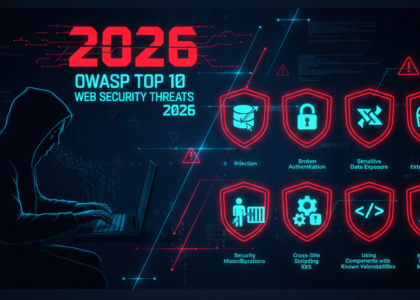
You should stay aware of common bugs like the OWASP Top 10, thereby ensuring bounty programs align with known attack patterns and emerging threats in web application security.
Conclusion
Bug bounty programs represent strategic security investments for modern businesses. Specifically, they provide continuous, cost-effective security validation while accessing global security talent.
For organizations serious about cybersecurity risk management, implementing vulnerability disclosure programs alongside traditional security measures creates comprehensive defense strategies. Moreover, as digital transformation accelerates across industries, proactive security approaches become competitive advantages rather than optional investments.
Whether you’re a startup in Bhubaneswar or an established enterprise, evaluating how bug bounty programs fit your security strategy is no longer a question of if, but when. Therefore, the time to act is now.